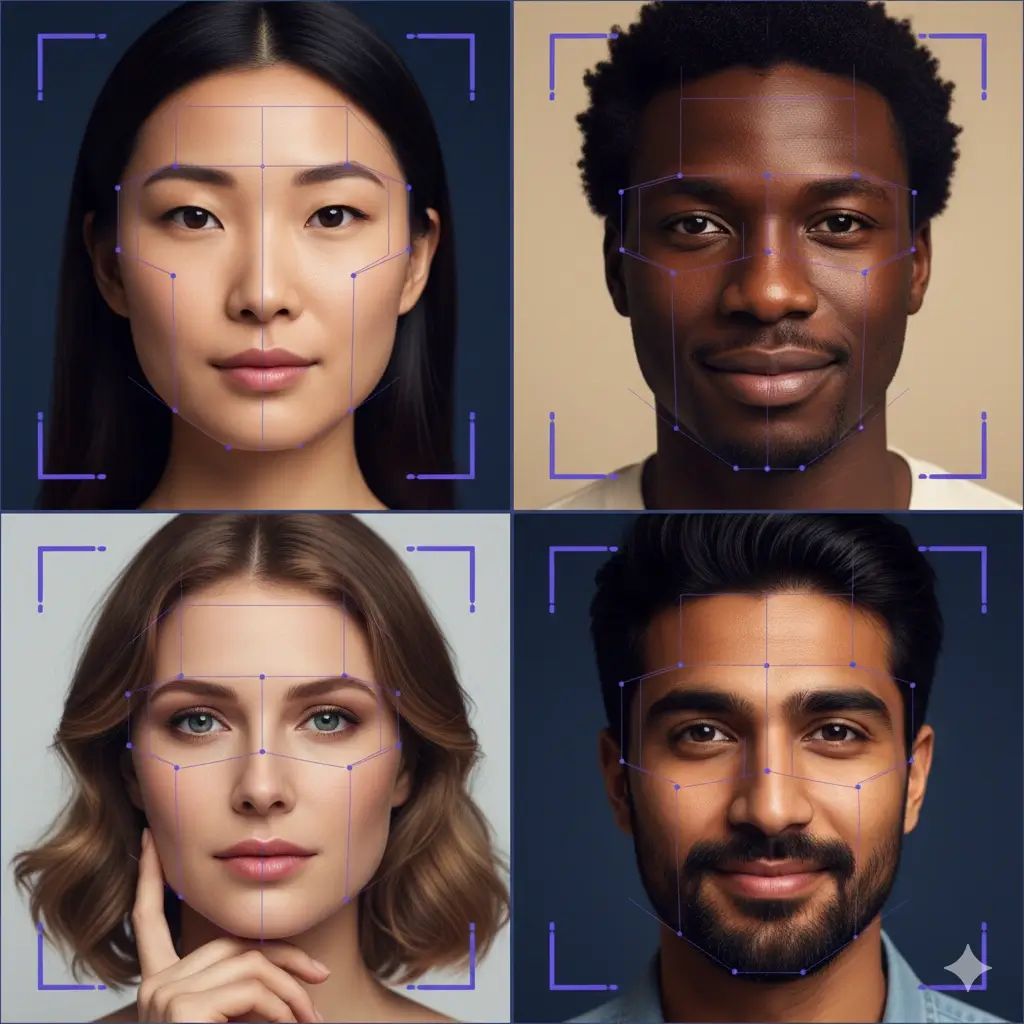
AI Ethnicity Guesser

Upload a clear selfie and use our AI ethnicity guesser for an instant appearance-based ethnicity estimate. This AI ethnicity test reads visible facial cues in one photo for curiosity, comparison, and quick visual exploration.

Sample selfie for AI ethnicity guesser upload Example portrait for AI ethnicity test upload

Upload a Photo for an AI Ethnicity Guess

Use a clear front-facing portrait with even lighting. Drag and drop, click to upload, or paste an image.

Read First

This AI ethnicity guesser reads appearance, not identity

The highest-intent visitor on this page wants to upload a photo and see what an AI ethnicity guesser returns. That quick answer is useful, but it needs the right frame. The result is a visual estimate from one image, not a statement about your real ancestry, culture, citizenship, race, or self-identified ethnicity.

What the AI reviews

The AI ethnicity test looks at visible facial cues in the uploaded photo, including face shape, eye area, nose structure, cheek emphasis, jawline, skin tone cues, and overall proportions. It compares what the camera captured with broad visual patterns. It does not read documents, family records, DNA, language, culture, or personal identity.

Why results can change

A different photo can produce a different AI ethnicity guess because the visible evidence changes. Lighting, camera angle, blur, filters, makeup, facial hair, hairstyle, shadows, expression, and cropping can all affect what the ethnicity ai guesser sees. A clear portrait usually gives a more stable result than a dark screenshot.

What it should not be used for

Do not use this tool to identify someone else with certainty or make serious decisions. The page is designed for personal curiosity and entertainment-style exploration. It is not a DNA ancestry test, legal nationality check, identity verification system, hiring screen, housing screen, financial screen, or official classification tool.

How to Use This AI Ethnicity Test in 3 Steps

Step 1

Upload one clear selfie

Start with a single front-facing face photo. The best image for an AI ethnicity guesser is sharp, evenly lit, and centered, with the face large enough to read. If your real search is guess my ethnicity ai, the fastest path is to upload one clean portrait before testing multiple selfies.

Step 2

Let AI guess ethnicity from visible cues

The model reviews the facial structure visible in the image and compares it with broad appearance patterns. This is why people search phrases like ai guess ethnicity, ethnicity tester ai, and ai ethnicity test online. The model is estimating visual resemblance, not discovering hidden ancestry.

Step 3

Read the match and confidence signal

You receive a top appearance-based match, a confidence-style signal, and short notes about visible facial cues. If you upload another photo, compare the result with the first one and remember that the AI ethnicity guess depends on the specific image conditions.

AI Ethnicity Guesser vs ChatGPT and DNA Tests

Many users searching for a chatgpt ethnicity guesser really want a dedicated photo workflow. This comparison shows when each option makes sense.

Best for upload intent

Dedicated AI ethnicity guesser

A dedicated AI ethnicity guesser is built around the exact task: upload a photo, analyze visible facial cues, and return a consistent result format. The page can also place photo tips, privacy notes, and result limits next to the tool instead of making users invent a prompt.

Best for

Fast photo uploads, quick visual estimates, repeat testing, and mobile-friendly curiosity.

Limit

Still an appearance-based estimate from one image, not DNA evidence or identity proof.

Best for explanation

ChatGPT or a general chatbot

A general chatbot can explain ethnicity, ancestry, and photo-analysis limits. Some chatbot experiences may accept images, but their vision access, safety behavior, and output format can change. That makes them less predictable than a page built specifically for an AI ethnicity test.

Best for

Concept explanations, wording help, and follow-up questions about what a result means.

Limit

Not always optimized for a stable ethnicity photo upload workflow or consistent result layout.

Best for ancestry

DNA ancestry testing

DNA testing studies inherited genetic markers and compares them with reference populations. That is a different input from a face photo. If your real goal is genealogical ancestry, family-line evidence, or inherited regional background, DNA and family research are stronger sources.

Best for

Serious ancestry research, family history, and inherited genetic background.

Limit

Paid, slower, and not designed to answer what your face visually resembles in one photo.

Practical takeaway

Use this ethnicity ai guesser when you want a fast visual estimate. Use a chatbot when you want explanations. Use DNA and family records when the question is ancestry rather than appearance.

Best Photos for a More Consistent AI Ethnicity Guess

The quality of your upload matters because an AI ethnicity test reads what is visible in the image. These tips help the tool see a cleaner face photo.

Use a front-facing portrait

A straight-on selfie gives the AI ethnicity guesser a balanced view of your face shape, eye area, nose, jawline, and cheek structure. Strong side angles or tilted heads can hide cues and shift the estimate.

Choose even lighting

Natural light or soft indoor light works better than harsh shadows, strong backlighting, or underexposed screenshots. Lighting changes apparent skin tone and facial contour, which can change the ai guess ethnicity result.

Upload one face only

This ethnicity tester ai page is designed for one person per image. Group photos, distant subjects, tiny faces, or partially covered faces give the model less reliable visual information.

Avoid heavy edits

Beauty filters, face reshaping, smoothing, strong color grading, and AI edits can alter visible facial cues. Upload a natural portrait if you want the clearest AI ethnicity estimate.

Quick checklist before upload

If you plan to compare several AI ethnicity guesser results, keep the photos similar so the model receives comparable visual input.

Face fully visible

Avoid sunglasses, masks, hands over the face, heavy hair coverage, or deep shadows across the eyes and nose.

Original image preferred

Use a clear original photo instead of a compressed social media thumbnail, low-resolution crop, or blurred screenshot.

Neutral expression

A relaxed expression keeps cheek shape, eye openness, and jaw tension more consistent across uploads.

Similar test conditions

When testing multiple photos, use similar lighting, framing, angle, and distance so differences are easier to understand.

Use an AI Ethnicity Guesser When You Want Speed

Most people who search for an AI ethnicity guesser want the tool first. They are not trying to read a long article before they upload. They want to choose a selfie, see an AI ethnicity estimate, and understand the result without creating an account or writing a complicated prompt. This page is organized around that intent. The upload area appears first, followed by a short explanation of what the tool can and cannot tell. That structure is different from a broad ethnicity guide because it starts with action. It is also different from a generic chatbot prompt because the workflow is fixed: upload, analyze, review, compare. For curiosity-driven searches such as ai ethnicity test, ai guess ethnicity, and guess my ethnicity ai, that direct path is usually the most useful experience.

AI ethnicity guesser page focused on fast photo upload intent

What the AI Ethnicity Test Looks At in a Photo

An AI ethnicity test does not see your family tree or personal identity. It sees pixels. In practical terms, the model reviews visible facial structure and appearance cues in the uploaded image. Those cues can include face outline, eye area, nose shape, cheekbone emphasis, jawline balance, skin tone presentation, facial proportions, and other visible features captured by the camera. The result is a visual estimate that describes how this specific photo may resemble broad appearance patterns. That is why the page uses words like estimate, match, and visible cues instead of claiming certainty. Ethnicity in real life can involve ancestry, culture, language, community, family history, and self-identification. A photo alone cannot confirm all of that. The value of this ethnicity ai guesser is speed and visual feedback, not official identity classification.

AI ethnicity test analyzing visible facial cues in a portrait

Why the Same Person Can Get a Different AI Ethnicity Guess

One of the most common questions after using an AI ethnicity guesser is why two photos of the same person can produce different estimates. The answer is that the model is analyzing the image, not the full person behind the image. A bright front-facing portrait and a dark side-angle screenshot show different visual evidence. A smile can change cheek shape. A beard can change the jawline. Makeup, hairstyle, glasses, crop, blur, camera lens distortion, and filters can all change what is visible. Even the apparent skin tone can shift under different lighting. This does not automatically mean the AI ethnicity test failed. It usually means the input changed. If you want to compare results, use similar photos and read the output as a visual match from each upload.

AI ethnicity guess comparison showing how photo conditions can affect results

Where Photo-Based Ethnicity AI Should Draw the Line

A useful ethnicity tester ai page should be clear about boundaries. This tool should not be used to label another person with certainty, infer legal nationality, verify identity, replace DNA ancestry testing, or make consequential decisions. Appearance overlaps across populations, and individual variation is wide. A respectful AI ethnicity guesser should therefore avoid absolute language and avoid presenting a face photo as proof of who someone is. The right use case is lighter: personal curiosity, comparing selfies, seeing how a photo may be visually perceived, and learning how appearance differs from ancestry. If the question is legal nationality or citizenship, documents and law matter. If the question is inherited ancestry, DNA testing and family history research are better sources. If the question is quick visual resemblance, this page is the right tool shape.

AI ethnicity guesser compared with DNA ancestry and identity research

Example Results From the AI Ethnicity Guesser

These sample visuals show the kind of appearance-based result format users expect from an AI ethnicity test by photo.

AI ethnicity guesser example showing a European appearance-based match
AI ethnicity test example showing an African appearance-based match
AI ethnicity estimate example showing an East Asian appearance-based match

AI Ethnicity Guesser FAQ

How does an AI ethnicity guesser work?

An AI ethnicity guesser analyzes visible facial cues in one uploaded photo and compares them with broad appearance patterns. The result is an appearance-based ethnicity estimate, not DNA proof, legal identity, or a complete statement about your background.

Can AI guess ethnicity from a photo?

AI can estimate how a face visually aligns with broad ethnicity-related patterns in a photo, but it cannot know your culture, family history, self-identified ethnicity, or real ancestry from that image alone. Treat the output as a visual estimate.

Is this AI ethnicity test accurate?

Accuracy depends on image quality, lighting, angle, and how clearly the face appears. The AI ethnicity test can be useful for a quick visual impression, but it should not be read as an exact percentage or final truth about ancestry.

Is this better than a ChatGPT ethnicity guesser?

For direct photo upload intent, a dedicated page is usually more predictable because the upload flow, result format, photo tips, and safety notes are built around this task. ChatGPT can be helpful for explanations, but its image support and output behavior may vary.

Does this replace a DNA ethnicity test?

No. DNA tests study inherited genetic markers, while this tool studies visible appearance in one photo. Use this AI ethnicity guesser for quick visual curiosity. Use DNA testing and family history research for serious ancestry questions.

Why did two selfies give different AI ethnicity guesses?

Different selfies can change what the model sees. Lighting, facial angle, blur, filters, hairstyle, makeup, facial expression, and crop can all shift the visible cues used for the estimate.

What photo works best for an AI ethnicity test online?

A clear, front-facing portrait with even light usually works best. Avoid group photos, sunglasses, masks, heavy filters, very dark images, motion blur, and photos where the face is tiny in the frame.

Can this tool tell my nationality or race?

No. Nationality is usually legal or political, and race is a sensitive social category. This page only provides an appearance-based ethnicity-style estimate from a photo and should not be used for official classification.

Is my uploaded photo private?

Photo privacy matters because this tool starts with a personal image upload. Review the site's privacy policy before uploading sensitive images. The page is designed around processing a photo for an estimate, not using the result for identity verification.